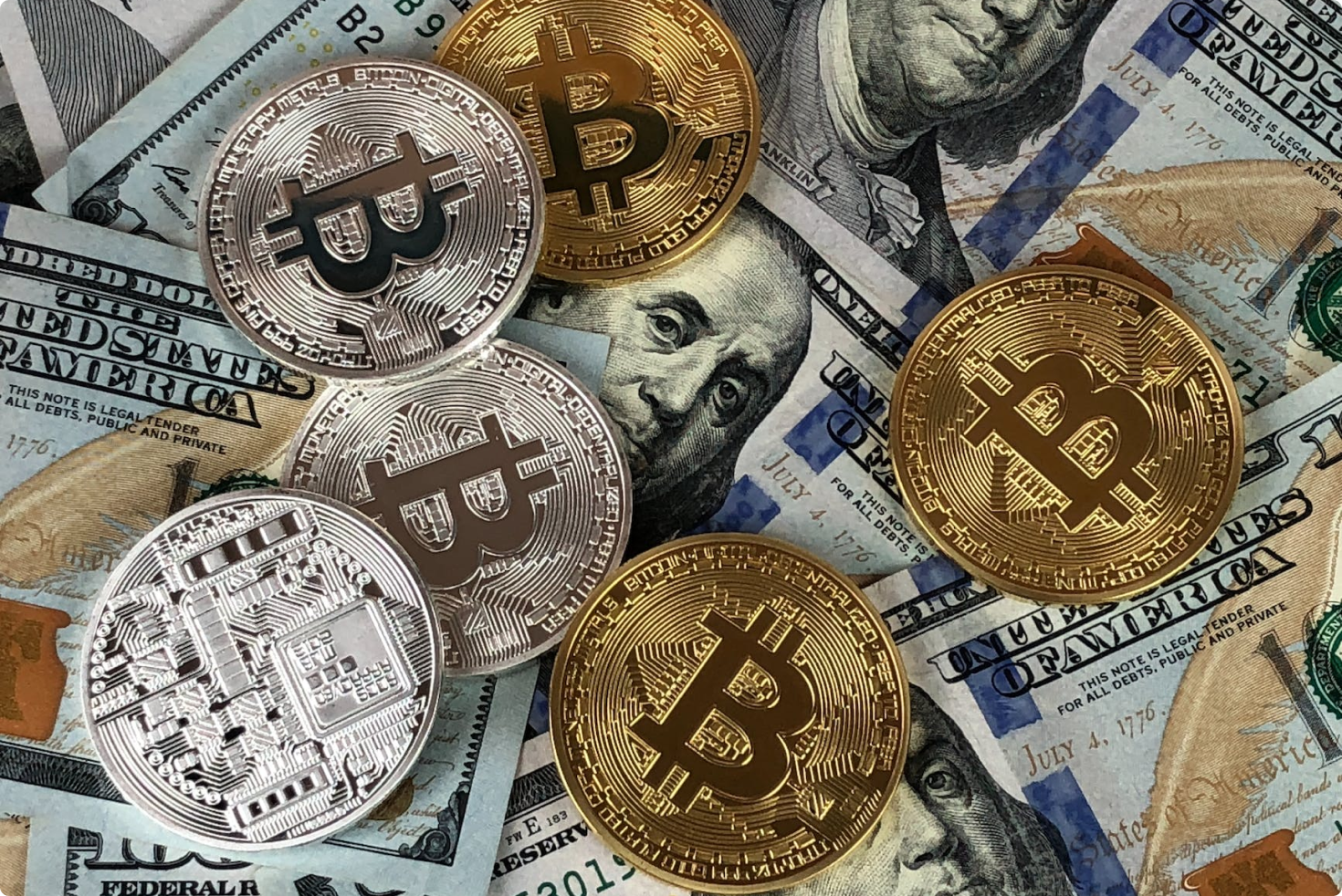
About 60% of the foreign exchange reserves of the various central banks are invested in dollarized assets, explains Eswar Prasad, a professor at Cornell University and senior fellow at the Brookings Institution, in an International Monetary Fund publication. On the other hand, contracts for the purchase and sale of commodities are generally fixed and paid in dollars, including those for oil. And finally, says the analyst, the greenback is the currency used to «denominate and settle a large part of international financial transactions».
The Bretton Woods Agreement, the key to the dollar’s dominance
The key to understanding how the dollar became the quintessential reserve currency lies in World War II. As a result, countries began to accumulate dollar reserves instead of gold reserves and to buy U.S. Treasury securities to hold their dollars. The system has undergone several modifications since then, for example the dollar was decoupled from gold after the Richard Nixon administration, but the greenback has not ceased to be the main reserve currency.
Could the dollar cease to be the main currency? How reserves are evolving
As we explained, the fact that most central bank reserves are in dollars partly explains their supremacy. Three quarters of the transition from the greenback to other currencies is accounted for by the currencies of smaller economies, such as Canadian and Australian dollars, Swedish kronor and South Korean won.
Just because it is the leading currency does not mean it is the strongest one
A strong currency is determined by the amount of goods and services you can buy with it and the amount of other currencies you can receive in exchange for one unit of the initial currency, a Forex analysis explains. So, the more dollars you need to buy a single unit of another currency, the stronger it is. If you need fewer dollars, it is considered weaker.
3 reasons why market sentiment is improving